
 ·
3 minute read
·
3 minute read
Finding a house is one of the first priorities for most international
professionals relocating to Norway. We spoke with Tor Sande, owner of Link Boligutleie and a licensed property management professional, about the rental market and what foreign tenants should expect.
Link Boligutleie has an office in Stavangers and covers Rogaland. While their core market is this area, much of the information in this article also applies to the wider southwest Norway region.
The rental market in Stavanger and Haugesund
The rental market in Stavanger is competitive. Demand is significantly higher than supply, making it difficult to secure suitable housing. According to Sande, this situation has been building over years due to limited construction and increasing interest rates. The result is higher rents and fewer options, a trend that is likely to continue for the foreseeable future.
Haugesund presents a slightly different picture, with more available properties, but the broader regional pattern remains similar. Construction has been modest for more than a decade, while the cities have grown in popularity among both Norwegian and international residents. The return of expats and sustained activity in energy-related industries have further contributed to pressure on the market.
Who manages rental properties and where can I find them?
Sande explains that most landlords in Norway still manage their properties independently, while a smaller proportion use professional agencies. For foreign tenants, however, working with an established property manager is often the safest route, particularly in a market where competition is intense and processes can be unfamiliar. Tenants do not pay more when using an agency, it’s the property owner who pays.
The website FINN.no has a special section for all available rental properties in Norway - both private owners and agencies publish their properties here.
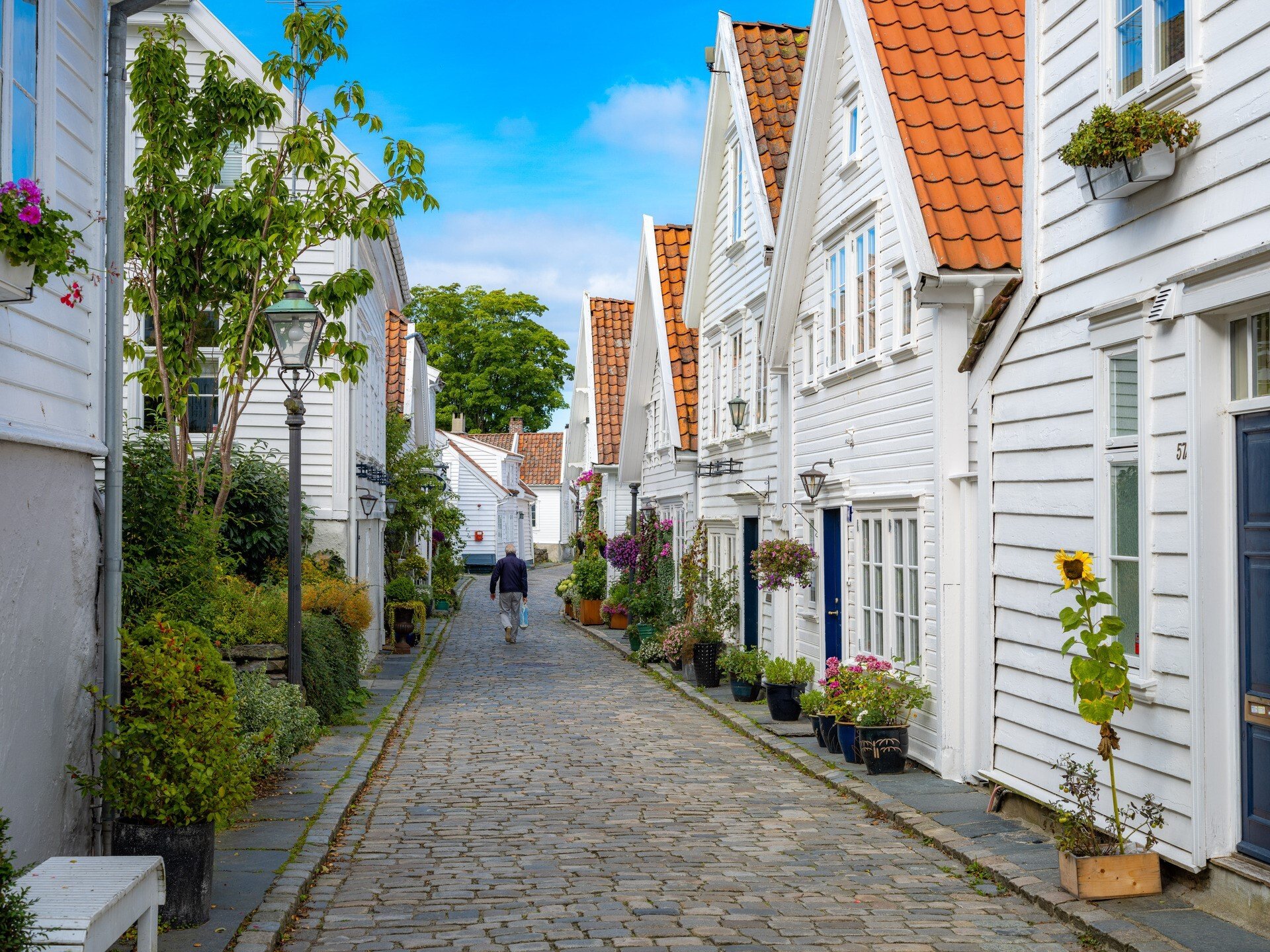 Wooden houses in the old part of Stavanger. If you're lucky you may find a rental house here. Photo: FotoKnoff / Sven-Erik Knoff
What do I need to be able to rent?
For those moving to Norway from abroad, there are some things that need to be in place before being able to rent. A Norwegian BankID is essential, as well as setting up a deposit account. Tenants are also expected to provide a work contract.
When making use of a professional rental agency, it helps to be clear about your housing preferences, what your budget is, the length of the intended stay and who will live in the property. References from earlier rentals are good to add, if you have them. A short text introduction of yourself as a tenant is also appreciated.
Tenants who provide complete information are often prioritised. This applies equally during viewings, where being prepared and open about your needs can make a significant difference.
Contracts, deposits and legal protection
Most professional rental agreements in Norway follow a standard format. A typical contract is time-limited, often covering three years, with a binding period of around nine months and a mutual notice period of three months. A minimum rental period of one year is common, although certain terms may be open to negotiation.
A standard deposit is usually two or three months' rent and must be placed in a designated deposit account in the tenant’s name. This money cannot be accessed until the tenancy has formally ended, and any deductions must follow clear procedures. This system is designed to ensure fairness and transparency, with Norwegian Tenancy Act (Husleieloven) offering strong protection to tenants, who are generally considered the more vulnerable party in the agreement.
Handover and maintenance
At the start of a tenancy, a detailed handover process takes place. A digital protocol, including photographs, documents the condition of the property and is signed by all parties. This serves as the reference point when the tenancy ends, helping to determine whether any damage has occurred during the rental period.
Responsibility for maintenance is shared. The landlord must ensure that the property remains fit for purpose, while the tenant is expected to treat it with reasonable care and follow normal standards of use. Damage caused by misuse may lead to financial claims, whereas wear and tear from ordinary living is generally not the tenant’s responsibility.
Disputes and termination
Going through a professional property manager is often the most secure option. While this requires more documentation and compliance checks, including anti-money laundering procedures, it provides reassurance that the process follows legal standards and protects both parties in case of a dispute. Tenants do not pay more when they rent through an agency, it’s the property owner who pays.
Renting versus buying
Although a large proportion of Norwegians own their homes, buying is often not the immediate choice for international workers due to uncertainties around length of stay, financing and legal requirements. Renting therefore remains the most practical option for many newcomers, particularly during the first months and years of relocation.
In southwest Norway, securing suitable housing requires preparation, patience and local knowledge. Professional guidance, clear documentation and an understanding of the legal framework can make the process considerably smoother, even in a demanding market.
Link Boligutleie acts as an intermediary between landlords and tenants, managing and leasing properties on behalf of owners. The company works closely with both private individuals and businesses seeking accommodation for employees.
.jpg)