 ·
3 minute read
·
3 minute read
When Maarten, 40, left Hengelo in the Netherlands, it was not part of a long-term plan. It began with a holiday in Tromsø with his girlfriend Jolinde Evers. “We saw the landscape and said to each other, we need to move,” Maarten explains.
In January 2025, he moved to the Haugesund region. His girlfriend, who was still studying at the time, joined him later. Today they live in the small town of Førland, surrounded by nature, and enjoy a lifestyle they feel would not have been possible back home.
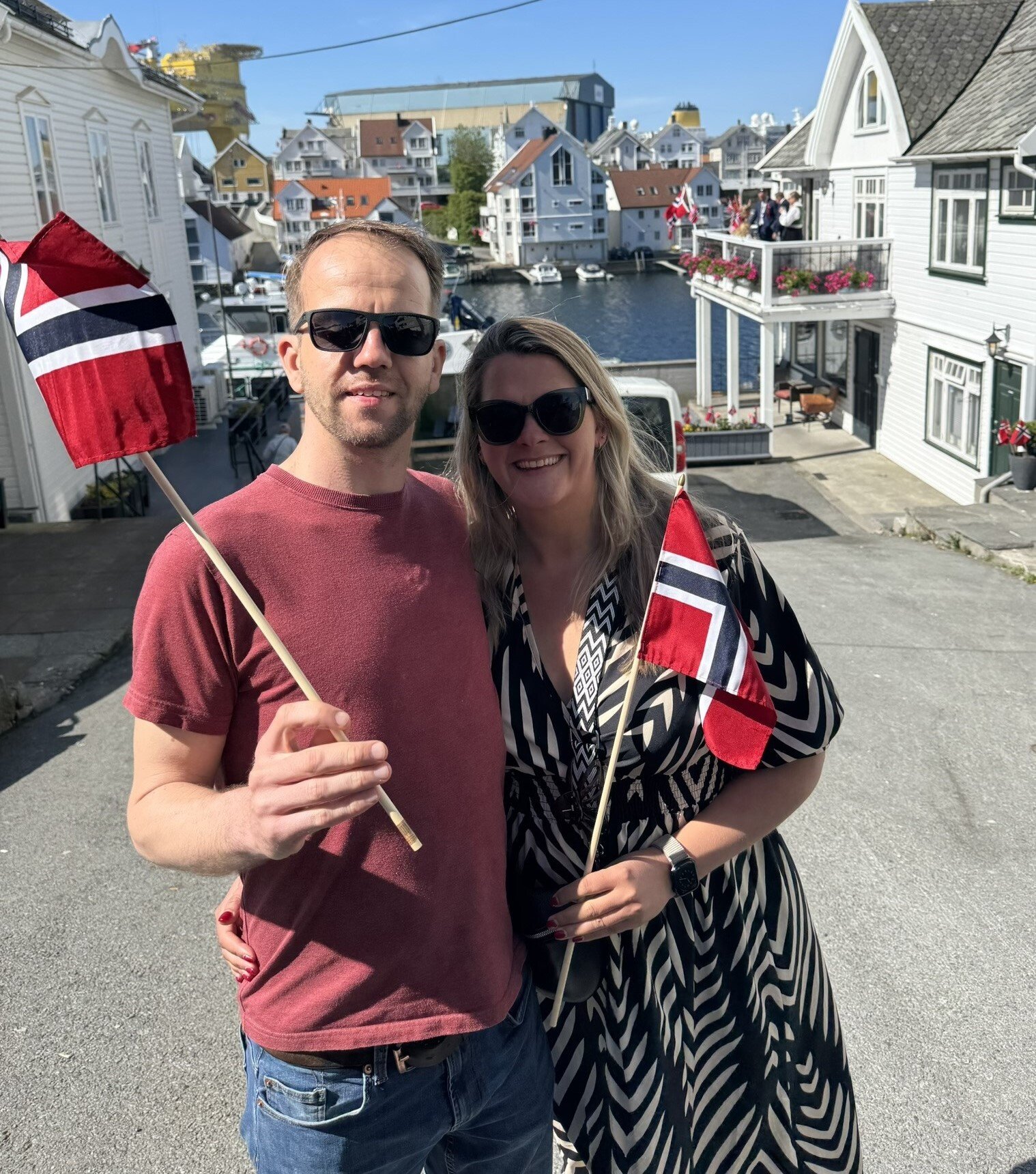
Maarten and Jolinde on the 17th of May, Norway's national day
Establishing a new life in Haugesund
Although Tromsø was their first encounter with Norway, it is not where they settled. The real turning point came at the Emigration Expo in Houten in 2024. There Maarten spoke to Karianne Ellefsen from Southwest Norway and left with a business card in his pocket.
After the Expo, he sent his CV to several companies, but the dialogue with IT company Bouvet in Haugesund stood out. He moved on the 2nd of January and started work three weeks later. His first weeks in Norway were marked by heavy snowfall. “There were 40 centimetres of snow. It was quite an introduction!"
Before moving, he had already found a house outside Haugesund through a local Facebook group. Moving to the Norwegian countryside offered immediate peace and space, but also practical challenges. The nearest bus stop turned out to be a 40-minute walk away, so he bought a bicycle.
The biggest hurdle those first weeks, however, was administrative. Without a D-number (see box underneath) and bank account, it was not possible to receive a salary. Getting this organised required patience and financial reserves. Also, much of the paperwork had to be done during office hours, but his employer Bouvet gave him flexibility.
When his girlfriend later joined him, the process was a lot easier. “When she arrived, I knew exactly what to do. She had her permanent number within days.”
| Identification numbers in Norway |
| In Norway, everyone needs an official identification number to work, pay tax and access public services.
Fødselsnummer: often called a national identity number, is a permanent identification number. It is issued to people who are registered as residents in Norway and plan to stay long term. With a fødselsnummer, you gain full access to public services, including healthcare, a general practitioner and other welfare services. |
Learning Norwegian
Before relocating, Maarten took private Norwegian lessons. He felt quite confident, but when he arrived, he soon realised the local dialect was quite different from what he had learned.
Today he describes his level as around B1. “Det går bra, but I want to speak more Norwegian.”
He follows meetings in Norwegian and uses the language daily, although he experiences that Norwegians often switch to English when they hear an accent. He also practises the language informally in his neighbourhood. “The best way to learn is to surround yourself with Norwegians.”
Making new friends
“It has been easy to build a social network, and I’m not even the most social person,” Maarten says.
He feels lucky with both colleagues and neighbours. In his small street, many residents are immigrants married to Norwegians, creating a social mix of English and Norwegian.
“My street is my social life,” he says. There are game nights, shared dinners and winter afternoons sledging together. In the Netherlands, he did not know his neighbours’ names. In Norway, he was invited to dinner within days.
A different pace of life
What Maarten values most is the quiet, the space and the slower rhythm of everyday life. There are few queues and little traffic on his commute.
He also notices the absence of constant pressure and a stronger focus on balance. “Meetings are moved if someone has a sick child, for example,” he says, and there seems to be less need to show off.
At the same time, some aspects require patience. Deliveries can take longer and getting things fixed may involve waiting several months.
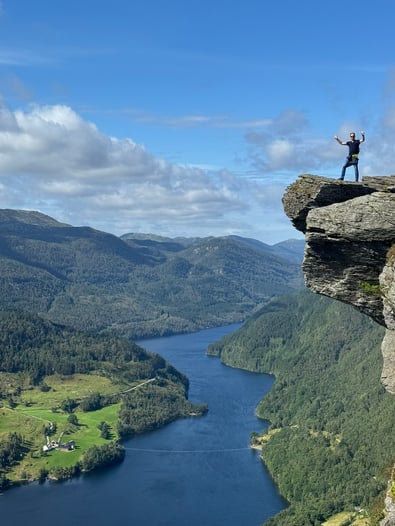
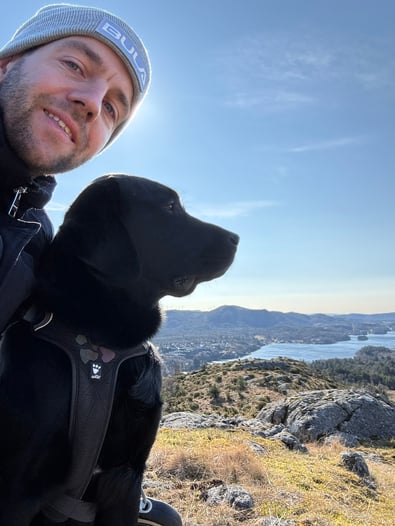
Over time, he has embraced parts of the Norwegian culture. He hikes frequently and has adopted proper outdoor clothing. He also enjoys brunost, the traditional Norwegian brown cheese, but is less enthusiastic about some of the other traditional dishes such as komle and raspeballer.
Early lunches (11.00) and dinners (16.30) required adjustment at first, but have now become part of his daily rhythm.
Some small social codes still surprise him. People may chat with you while walking their dogs, yet not greet you in the supermarket.
Despite the small cultural surprises, Maarten says he quickly felt at home. “Norway feels like a warm blanket".
Maarten's advice for future movers
- Make sure to have some savings
- Make a checklist before departure and understand the administrative steps required to work and register in Norway
- Invest in learning Norwegian
- Consider transport options carefully when choosing where to live, especially if it's remote
Learn more about the Haugesund region.